|
|
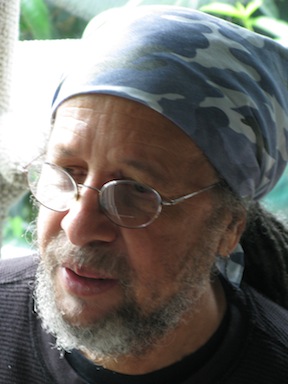
SUGAREE RISING PEN OAKLAND 2013 LITERARY EXCELLENCE LIFETIME ACHIEVEMENT AWARD EDITORIAL CONSULTANT/EVALUATOR GENERAL JOURNALISM COUNTERPOINTS UNDERCURRENTS I AM OSCAR GRANT ARTICLES FROM RACE, POVERTY & THE ENVIRONMENT MAGAZINE PRIDE & PREJUDICE ON REPARATIONS BLACK POLITICAL POWER: Mayors, Municipalities, And Money BRINGING BACK THE BLACK MUDDYING OAKLAND'S WATERS THE VAN HOOL CONNECTION ARTICLES FROM ALTERNET THE NOTORIOUS S.I.D.
ESSAYS, COVER STORIES AND NEWS ARTICLES FROM METRO NEWSPAPER COVER STORIES AND NEWS STORIES BOOK REVIEWS AND AUTHOR PROFILES FILM, MUSIC AND TELEVISION ARTICLES AND REVIEWS OAKLAND UNWRAPPED COLUMNS AWARDS AND RECOGNITIONS CALIFORNIA NEWSPAPER PUBLISHERS ASSOCIATION BETTER NEWSPAPERS CONTEST 1996 Second Place Award, Best Writing 2005 Second Place Award, Columns PENINSULA PRESS CLUB 1997 First Place For Specialty Story Award ASSOCIATION OF ALTERNATIVE NEWSWEEKLIES
1999 Second Place Arts Critcism Award CALIFORNIA TEACHERS ASSOCIATION
CERTIFICATE OF MERIT WINNER
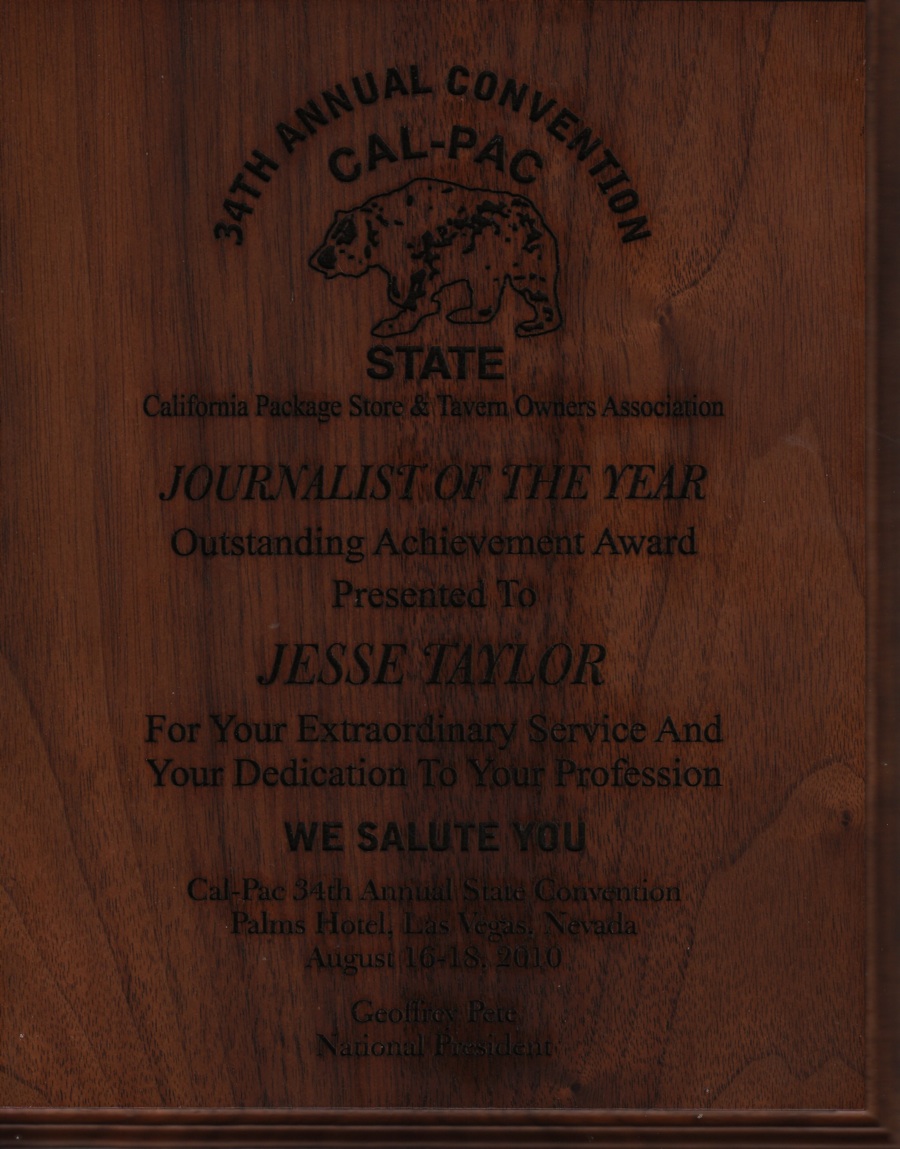
JOURNALIST OF THE YEAR FEEBACK Miscellaneous Reactions To Things I Have Written ATTORNEY GENERAL MOONBEAM?
|
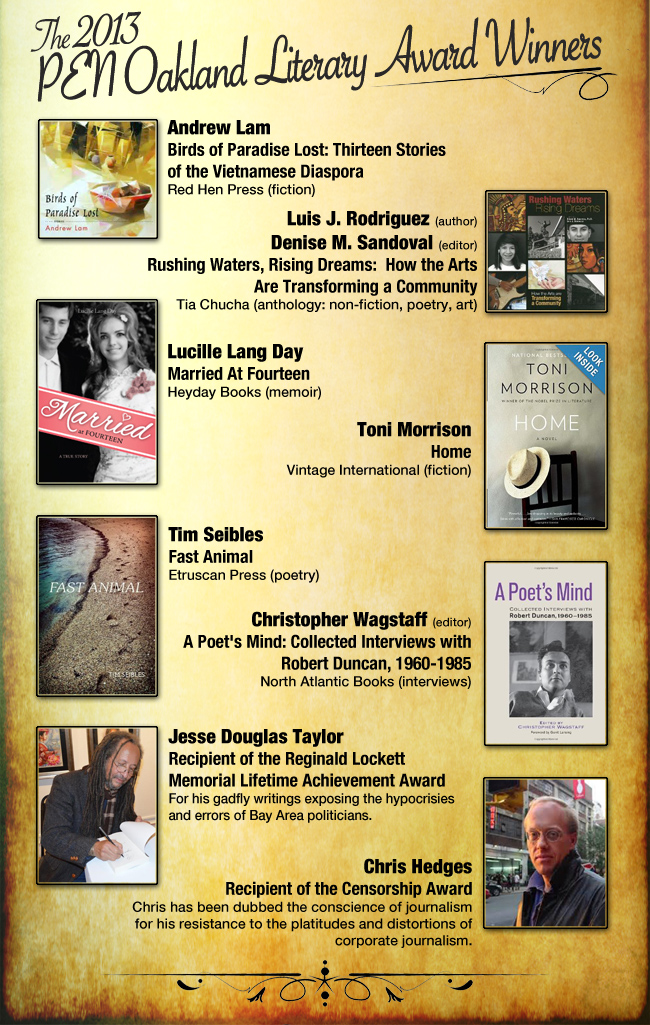
2013 PEN Oakland winners announced By Lou Fancher Correspondent POSTED: 12/24/2013 06:45:03 PM PST OAKLAND -- Twenty-three years of award-winning, "blue-collar" literature hasn't quelled the fire in PEN Oakland founding father Ishmael Reed's belly. Introducing the 2013 PEN Oakland Josephine Miles Literary Award winners at the Rockridge branch of the Oakland Public Library on Dec. 7, the writer and activist said, "We're trying to keep the blue-collar spirit of Oakland alive. We're not having a Los Angeles PEN reception at the Hilton." The Oakland branch's Southern California affiliate, PEN Center USA West in Los Angeles, may have been a model when Reed first proposed the local chapter to his colleagues in 1989. But before long, a determination to be "the first multicultural PEN chapter" distinguished the nonprofit as an organization powered with independent flair. Naming the awards after poet Josephine Miles, a UC Berkeley professor and the first woman to be tenured in its English department, further established the awards as a trailblazer. Calling attention to underserved, excellent literature and, with the addition of the Literary Censorship Award in 1997, honoring writers whose work challenged restraining forces within the publishing industry, Reed and his cohorts solidified their singular profile within the national PEN Center USA. Although he was not in attendance, the 2013 recipient of the Censorship Award, journalist Chris Hedges, was a fitting selection. Pulitzer Prize winner, author of nine books and a former New York Times national correspondent who now writes for Truthdig, Hedges resigned from PEN earlier this year. Overwhelmed and outraged by the appointment of former State Department official Suzanne Nossel to a leadership position with PEN, Hedges said in an interview with The Real News Network Senior Editor Paul Jay that he could not be a party to someone who "has amply demonstrated utter disdain for all the core values that a group like PEN says it defends." Recognizing Hedges for "choosing truth and integrity over careerist self-interest," presenter Claire Ortalda accepted the Oakland award on his behalf. The Reginald Lockett Memorial Lifetime Achievement Award was awarded to Jesse Douglas Taylor, for his extensive writing about Bay Area politicians. Reed said the Berkeley Daily Planet writer works in "the tradition of Zora Neal Hurston; in the language of the people. He writes about the keepers of tradition." Taylor's first novel, "Sugaree Rising," tells the story of a South Carolina community who resisted a massive relocation effort forced upon them by the Tennessee Valley Authority's desire to build a dam and rural electrification project. In the swampy coastal backwoods of the state's Lowcountry, more than 900 families are thrown into chaos and sacrifice their homes in the name of "progress." "This is a time to talk about the successes, but since I started with that, I'm not going to do that," Taylor said, accepting the award. "I wanted to talk about my biggest failure as a writer." As a writer for the Charleston Chronicle in the 1970s, Taylor was invited by a young man hoping to shine in local politics to ride along as he visited landowners facing displacement similar to the disruption in the novel Taylor would eventually write. But Taylor put the man off, stalled -- and hoped he would forget about it. "The guy never had a chance to forget," Taylor said. "A gentleman went into his office and put a bullet in his head. The murder remains a mystery to this day." "Sugaree Rising" is a means of redemption and a story about a subject Taylor says is "the premiere struggle of people in the United States: to build community and to keep the moneyed interest from putting us off that land." "We started out three families living in two bedrooms. My whole (early) life in America is on Mission Street of San Francisco. For 37 years, my life has been crawling slowly downtown and that struggle of a new immigrant, with identity and making it in America," he said. Author Luis J. Rodriguez and editor Denise M. Sandoval, in their anthology, "Rushing Waters, Rising Dreams: How the Arts Are Transforming a Community," extend the immigrant story beyond its prototypical boundaries. The book chronicles the opening of a bookstore and cultural center amid street gangs and federal housing projects in the northeast San Fernando Valley that has caused the Mexican and Central American natives to revive their imaginations and restore social justice through artistic expression. "When we talk about a healthy community, art is a part of that equation," Sandoval said. Other winners included Toni Morrison's "Home" (fiction); Lucille Lang Day's "Married at Fourteen" (memoir); Tim Seibles' "Fast Animal" (poetry); and Christopher Wagstaff's "A Poet's Mind: Collected Interviews with Robert Duncan, 1960-1985 (interviews). PEN Oakland's second anthology, "Fighting Words," will be published in cooperation with Berkeley-based Heyday in fall 2014.
|
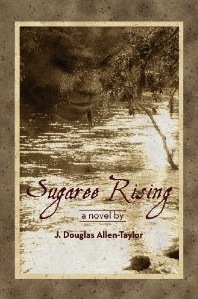
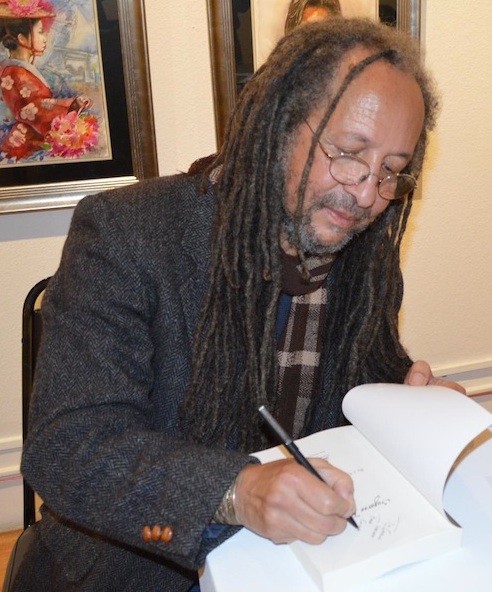








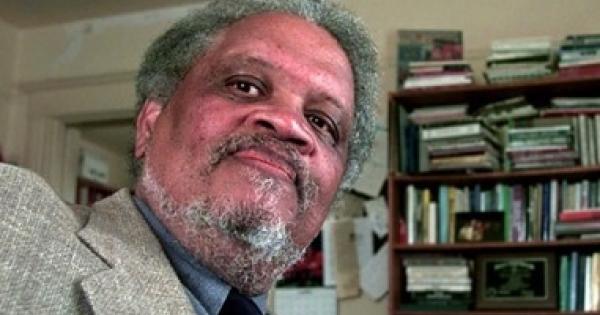 PEN Oakland co-founder Ishmael Reed says PEN Oakland Lifetime Achievement Award winner and Sugaree Rising author J. Douglas Allen-Taylor writes "in the tradition of Zora Neale Hurston"